Blog ·
Navigating Your Whole Home Renovation: What to Expect and How to Prepare
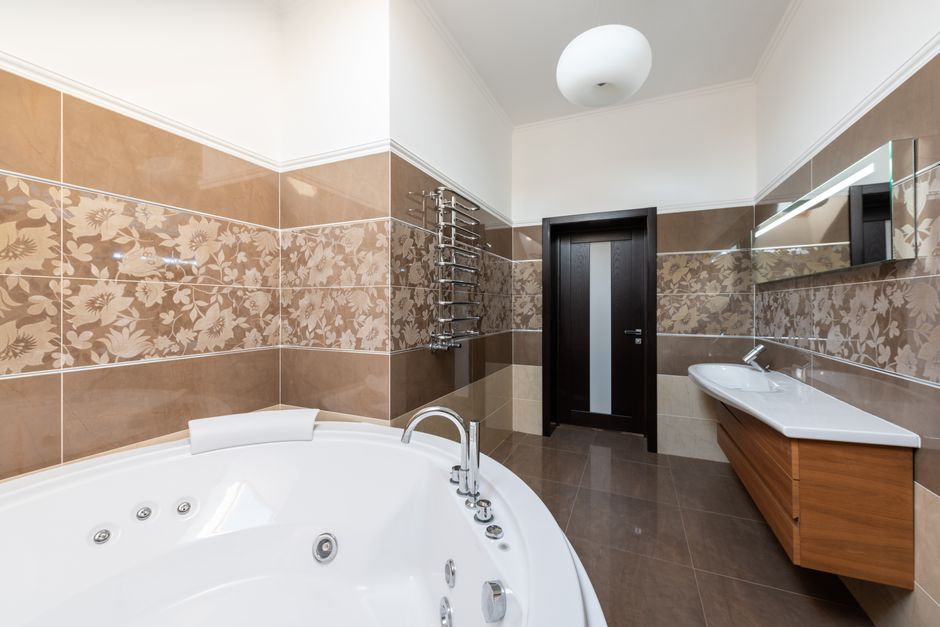
A whole home renovation transforms more than just your living space—it temporarily reshapes your daily life. Understanding what to expect helps you prepare mentally and practically for the journey ahead. Renovations follow predictable phases, though timing varies by project scope and complexity.
Initial planning and preparation phases involve permitting and material selection. During this time, expect multiple site visits with your contractor and design team. Final decisions about flooring, fixtures, and finishes happen here, so take your time getting these details exactly right for your home.
Demolition and structural work typically happen first. This phase generates significant noise, dust, and disruption. Establish protective measures like plastic barriers and air filtration systems to keep dust from spreading throughout your home. If your family includes young children or individuals with respiratory sensitivities, plan alternative arrangements for this phase if possible.
Most whole home renovations require building permits, electrical permits, and plumbing permits. Your contractor typically handles permit applications and scheduling inspections. These inspections protect you by ensuring work meets safety standards and building codes in your area.
Different trades work sequentially through your home. Electricians, plumbers, HVAC specialists, and other professionals coordinate their schedules around each other's work. Framing allows electrical rough-ins, which must complete before drywall installation. This coordinated timing requires careful scheduling and experienced management.
Throughout the project, maintain regular communication with your contractor. Schedule weekly check-ins to discuss progress, address concerns, and make decisions about any changes. Don't wait until problems become major issues to raise them—early communication prevents complications.
Prepare for the unexpected. Despite thorough planning, remodels often reveal hidden issues—outdated wiring behind walls, structural concerns, or deteriorated plumbing. Your contractor should present these discoveries promptly with options and cost implications, allowing you to make informed decisions.
Plan your final inspection carefully. Walk through completed spaces with your contractor, verify that promised work has been completed, and document any items needing attention. Address any finishing touches before making the final payment, ensuring you're completely satisfied with your new home.
After construction ends, allow time for your living spaces to feel normal and comfortable. Living in a newly remodeled home takes adjustment, but soon you'll appreciate the transformation and enjoy the improvements throughout your home.