Blog ·
Planning Your Whole Home Remodel: A Strategic Approach
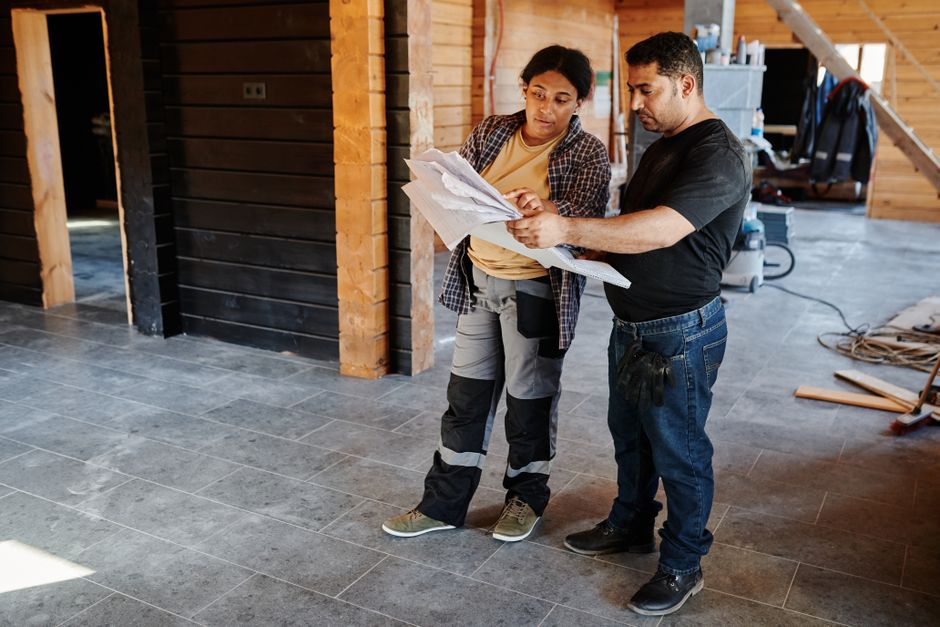
When you decide to renovate your entire home, the scale of the project can feel overwhelming. However, with proper planning and a clear strategy, you can transform your living space into the home of your dreams. The key is understanding how to organize your thoughts and priorities before construction begins.
Start by defining your goals for the remodel. Are you looking to update the aesthetic of your home, improve functionality, increase energy efficiency, or address aging systems? Many homeowners find that the most successful projects address multiple needs simultaneously. For example, a kitchen remodel that includes new appliances also provides an opportunity to upgrade electrical systems or improve ventilation.
Consider your lifestyle and how you actually use your space. If you work from home, a dedicated office area becomes essential. If you entertain frequently, kitchen and dining areas deserve special attention. Understanding your daily routines helps ensure that your remodeled spaces work for you, not against you.
Create a comprehensive list of all the areas you want to address, then prioritize them. Some projects should happen first because they affect other work. For instance, addressing structural issues or updating plumbing and electrical systems typically happens before cosmetic finishes. This sequencing prevents costly delays and rework.
Research design inspiration from magazines, websites, and home design platforms. Create a visual collection of styles, layouts, and finishes that appeal to you. This helps communicate your vision clearly to your contractor and design team. Don't just collect random ideas—look for consistent themes that reflect your personal preferences.
Think about resale value alongside personal enjoyment. While your home should reflect your taste, choosing timeless designs and quality materials protects your investment. Neutral color palettes and classic styles appeal to more potential buyers if you eventually decide to sell.
Budget realistically for your project. Beyond the construction costs, plan for contingencies. Unexpected issues inevitably arise when opening walls or updating old systems. A financial buffer helps you handle surprises without derailing the entire project.
Finally, document your existing home with photographs before work begins. This creates a reference point and helps you remember original details you might want to preserve or replicate in other areas.